The Role of Loyalty Tiers in Shaping Withdrawal Patterns for Multi-Game Mobile Users
Written by Ulrich Brooks · Aug 22, 2026
The Role of Loyalty Tiers in Shaping Withdrawal Patterns for Multi-Game Mobile Users
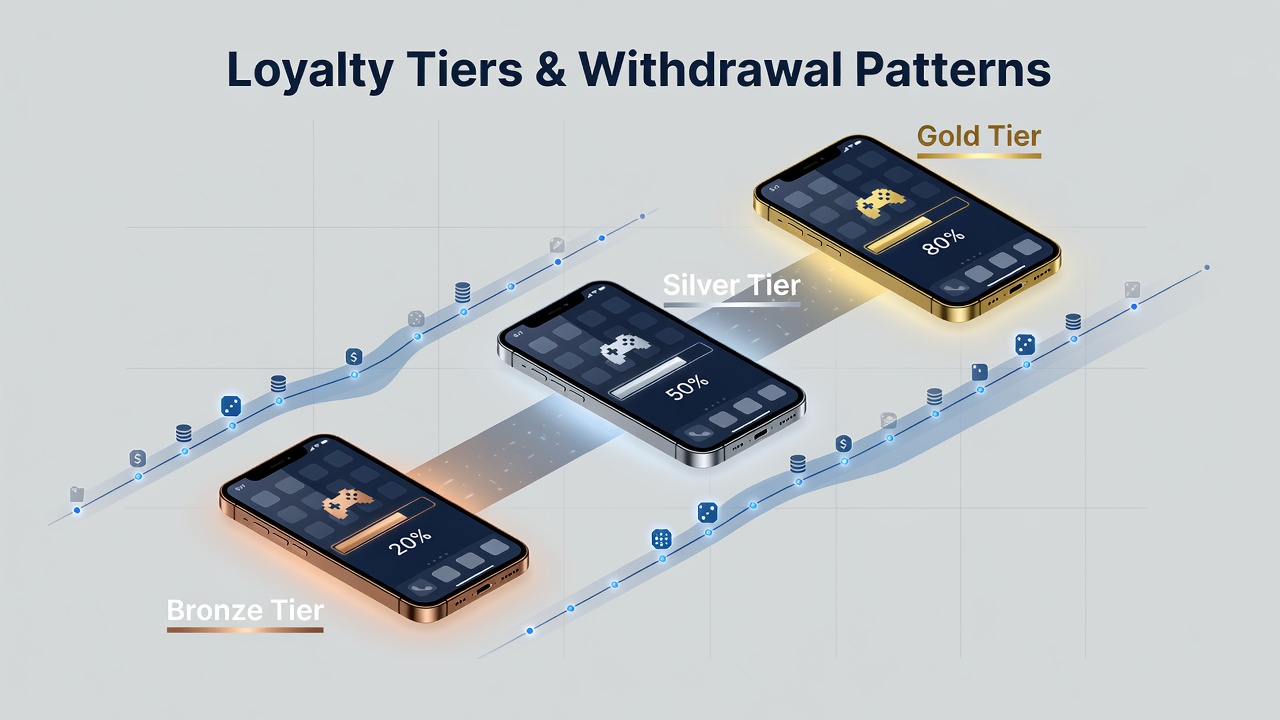
Loyalty tiers in multi-game mobile platforms operate as structured reward systems that classify users based on cumulative activity across various titles, and these classifications directly influence how players manage fund withdrawals over time. Platforms assign tiers such as entry-level, mid-range, and premium categories through metrics like total deposits, game participation volume, and session frequency, which in turn unlock differentiated withdrawal speeds, fee structures, and daily limits. Data collected from user analytics in 2025 shows that tier progression correlates with shifts in withdrawal timing, where users in elevated categories tend to execute larger but less frequent transactions compared to those in lower brackets who withdraw smaller amounts more often.
How Tier Structures Define Access to Withdrawal Features
Multi-game mobile environments integrate loyalty frameworks that span slot machines, table games, and live dealer options within a single application, allowing activity in one title to contribute toward overall tier advancement. Higher tiers commonly provide benefits such as expedited processing times that reduce standard withdrawal durations from several days to under 24 hours, while also raising maximum payout thresholds to accommodate bigger balances accumulated across multiple games. Regulatory reports from the Nevada Gaming Control Board indicate that these adjustments lead to measurable changes in user behavior, with premium-tier participants demonstrating patterns of holding funds longer within the platform before initiating transfers.
Entry-level users face standard verification requirements and base-level limits that encourage frequent small withdrawals to maintain cash flow, whereas advanced tiers incorporate automated approvals and reduced documentation that streamline the process. This differentiation creates distinct withdrawal rhythms, as observed in aggregated platform data where mid-tier users balance between the two extremes by spacing out moderate-sized requests tied to game-specific wins. Observers note that the interconnected nature of multi-game play amplifies these effects, since progress in one category feeds into tier status that applies universally across the app's offerings.
Observed Shifts in Withdrawal Frequency and Volume Across Tiers
Research from industry tracking services reveals that loyalty tier placement shapes not only the mechanics of withdrawals but also the underlying decision patterns among users who engage with several game types simultaneously. Premium tier members, for instance, show a tendency toward consolidated withdrawals that align with achievement of higher reward milestones, resulting in fewer but more substantial transactions throughout a given month. In contrast, users remaining in initial tiers distribute withdrawals across shorter intervals, often triggered by individual game sessions rather than overall account performance.
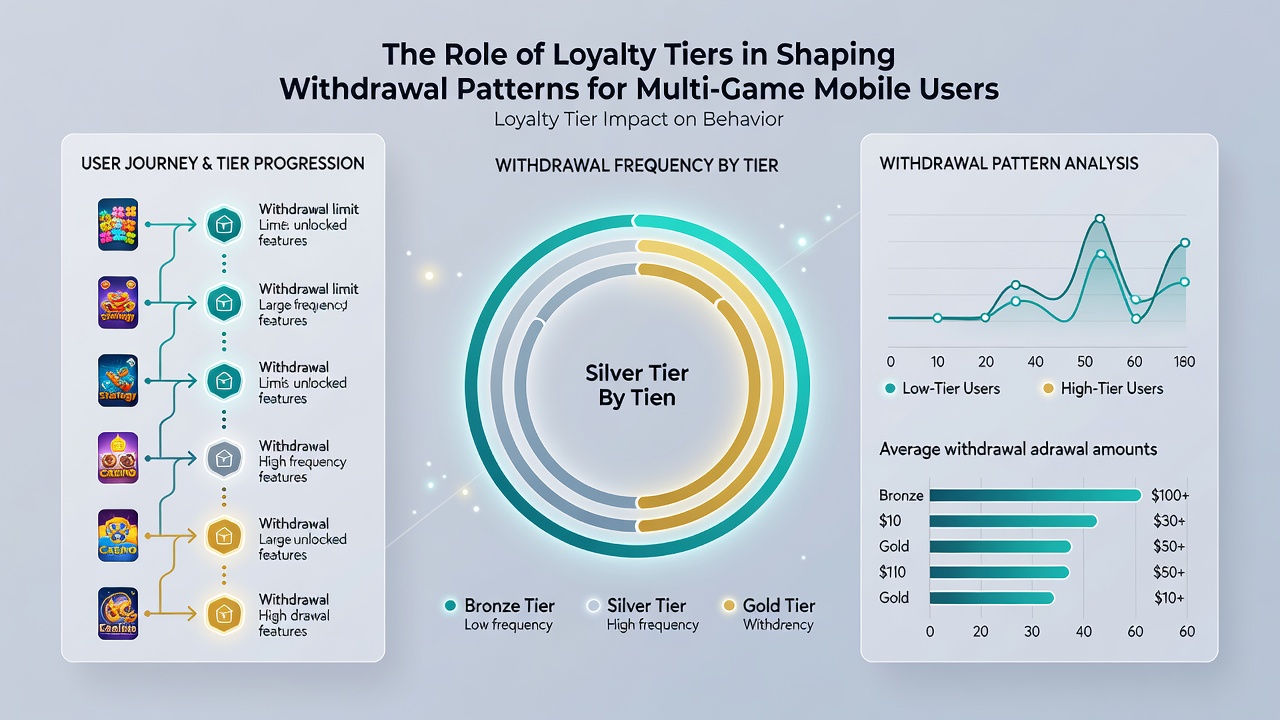
Figures compiled ahead of August 2026 updates in mobile gaming regulations highlight how tier benefits interact with seasonal activity spikes, such as tournament periods that boost multi-game engagement and subsequently alter withdrawal cadence for participants at every level. Lower-tier players often respond to these events with immediate small-scale withdrawals to capture gains quickly, while elevated tiers leverage improved conditions to defer action until combined balances reach optimal points. This pattern holds across regions, with similar distributions noted in reports issued by authorities in both North American and European markets.
Data Patterns from Multi-Game User Segments
Studies conducted by academic researchers at institutions focused on digital entertainment economics demonstrate clear segmentation in withdrawal behavior linked to tier status. Users who maintain activity across diverse game libraries within the same app accumulate tier points that unlock features capable of influencing when funds exit the system, leading to more predictable cycles among higher-ranked accounts. Platform metrics indicate that these cycles include extended holding periods for premium users who utilize tier-specific tools like instant verification to time withdrawals strategically around game outcomes.
Additional evidence from Canadian provincial oversight bodies points to reduced overall transaction counts among advanced tier holders, a trend attributed to the combined effects of higher limits and faster processing that reduce the need for repeated actions. Multi-game dynamics play a central role here, as winnings from one title can offset losses in another, allowing tier-benefited users to consolidate net positions before withdrawing. Those who track user cohorts over extended periods find that tier mobility itself prompts adjustments, with users advancing tiers exhibiting gradual stabilization in their withdrawal schedules.
Regulatory Context and Platform Adaptations Through 2026
Policy developments scheduled for implementation around August 2026 require platforms to maintain transparent tier criteria that affect withdrawal protocols, prompting operators to refine their systems for compliance while preserving the behavioral influences already documented. These changes build on existing frameworks from bodies like the Australian Communications and Media Authority, which have monitored similar tier impacts in regional markets and reported consistent variations in user withdrawal volumes tied to reward levels. Multi-game mobile users encounter these adaptations through updated app interfaces that display tier-specific withdrawal options more prominently, encouraging awareness of how status shapes available choices.
Industry associations have compiled comparative analyses showing that tier-driven withdrawal patterns persist even as new standards emerge, with data indicating sustained differences in frequency between tier groups regardless of regional regulatory variations. Platforms respond by adjusting benefit structures to align with compliance needs, yet the core relationship between tier elevation and modified withdrawal habits remains evident in ongoing user statistics.
Conclusion
Loyalty tiers continue to serve as key determinants in the withdrawal patterns of multi-game mobile users, with documented correlations between tier status and variations in transaction size, timing, and frequency across available data sources. As platforms evolve to meet forthcoming requirements in 2026, these influences are expected to persist in shaping how participants across different game types manage their account balances and fund movements. Continued monitoring by regulatory entities and research groups will provide further insight into these dynamics without altering the established factual connections between tier systems and user actions.